

Selective Mutism Treatment in Austin and Round Rock, Texas
A Parent-Focused Guide to Understanding Selective Mutism
If your child talks freely at home but becomes silent or nearly silent at school, in social settings, or around unfamiliar adults, you may feel confused or worried about what is happening. Many parents are told their child is “just shy,” being stubborn, or will eventually grow out of it.
For some children, this pattern is due to selective mutism, a type of anxiety that makes speaking in certain situations very difficult.
This page is designed to help parents understand what selective mutism is, what it is not, how it can affect children, and how evidence-based therapy can help children gradually gain confidence and comfort using their voice.
Expert Care for Selective Mutism
What is Selective Mutism?
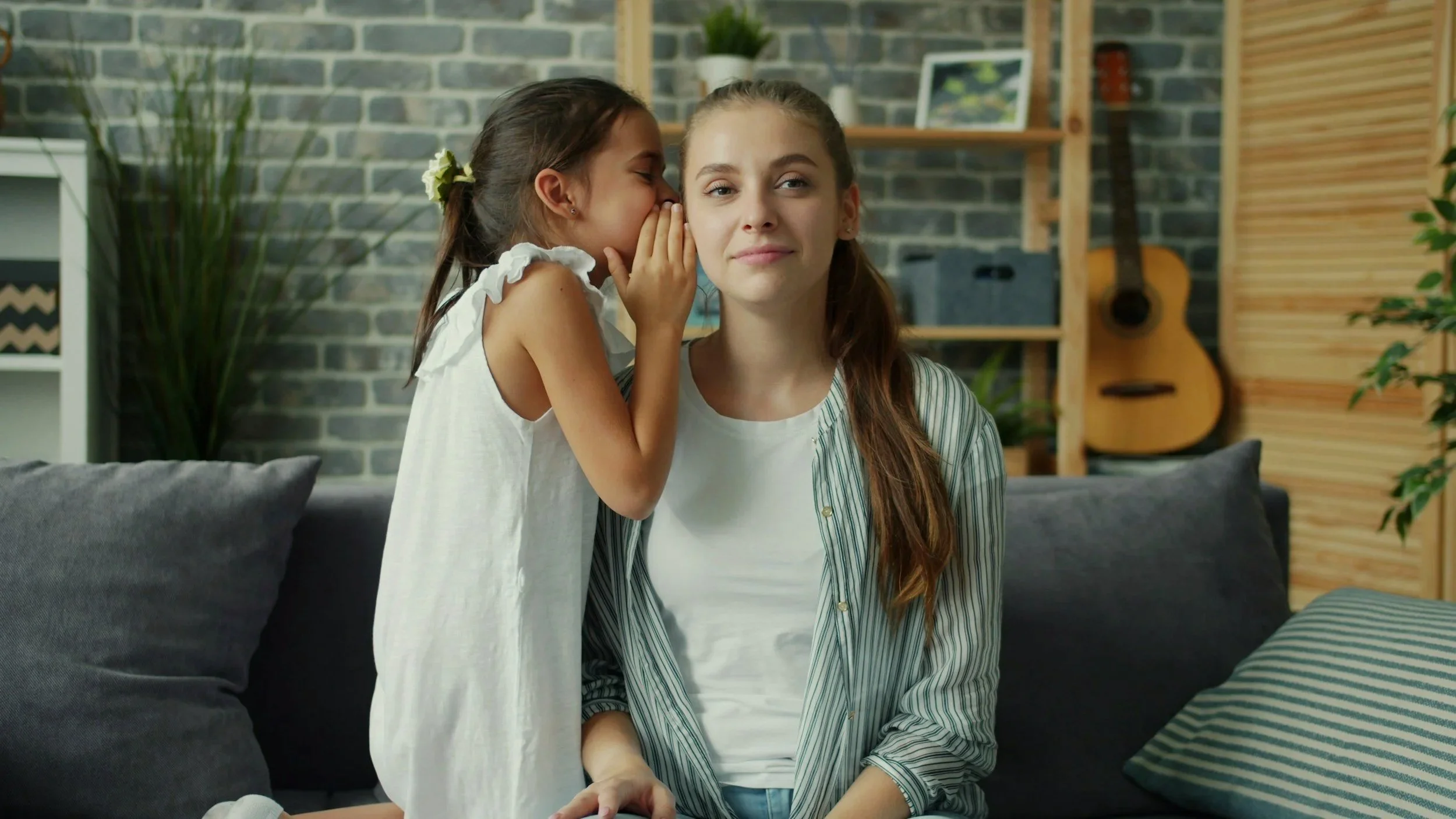
Selective mutism (often called SM) is an anxiety-driven inability to speak in specific social settings, despite having the ability to speak comfortably in other environments.
Children with selective mutism can talk. The challenge is not intelligence, understanding, or language ability. Instead, anxiety interferes with speech in certain situations, most commonly at school or in public settings.
Selective mutism often becomes noticeable when a child enters environments with increased social or performance expectations, such as preschool or elementary school.
What Selective Mutism Looks Like in Daily Life
Children with selective mutism may:
Speak freely and naturally at home with family
Become very quiet or completely silent at school or in group settings
Use gestures, nodding, pointing, or whispering instead of speaking
Rely on friends or siblings to speak for them
Freeze or appear tense when expected to answer a question
Avoid eye contact or appear to “shut down” when attention is on them
Want to communicate but feel unable to get words out
Parents often describe the heartbreaking experiencing of watching their child want to speak but seeming physically unable to do so when anxiety rises.
What Selective Mutism Is Not
Selective mutism is frequently misunderstood. It is not:
Defiance or refusal
A discipline issue
A parenting failure
A lack of understanding or intelligence
Something a child can overcome by being pushed or encouraged
Well-intentioned pressure, such as calling on a child repeatedly, urging them to “just try,” or drawing attention to their silence, often increases anxiety and makes speaking more difficult.
Selective Mutism vs. Shyness
It can be difficult for parents to distinguish between shyness and selective mutism, but the difference is important.
Shy children may be quiet or hesitant in new situations, but they generally warm up over time and are able to participate socially once they feel comfortable. Shyness is a typical personality trait influenced by genetics, and most shy children are able to function well in school, make friends, and adapt to social challenges without formal treatment.
Selective mutism, on the other hand, is a diagnosable anxiety disorder. Children with selective mutism:
Remain silent consistently in specific settings
Experience increasing anxiety when expected to speak
Show persistent difficulty over time
May increasingly avoid speaking situations if not supported
Unlike typical shyness, selective mutism interferes with a child’s daily functioning, including social interaction, classroom participation, and academic progress. Children with Selective Mutism often need targeted support to learn how to communicate effectively and participate confidently in social and academic environments.
Understanding the difference is critical: while shyness can improve naturally as children gain experience, selective mutism typically requires evidence-based intervention to overcome anxiety and develop consistent speaking skills.
What Causes Selective Mutism?
Selective mutism does not have a single cause, but research indicates it is closely linked to anxiety. Children with naturally cautious or inhibited temperaments may find speaking in certain situations particularly stressful, and over time, avoiding these situations can reinforce the silence.
There is some evidence of a genetic component, as children with selective mutism are more likely to have family members with anxiety disorders. Brain studies suggest that children who are behaviorally inhibited may have a heightened sensitivity in the amygdala, the part of the brain that processes potential threats, which can make social interactions feel overwhelming.
Certain factors may increase the likelihood of selective mutism, including:
Speech or language difficulties, such as expressive or receptive language delays
Communication challenges that make speaking more stressful
Bilingual children may sometimes appear to have selective mutism when they are actually in a normal silent period of second language acquisition. Careful assessment is important to distinguish true selective mutism from typical language adjustment in bilingual children.
Although rare, traumatic or highly stressful events can sometimes play a role, but the majority of children with selective mutism do not have a history of trauma.
Selective mutism is typically identified in early childhood, though symptoms can continue into later childhood or adolescence if not addressed. Early recognition and intervention are important to help children build confidence and overcome challenges with speaking.
How Does Selective Mutism Impact a Child?
When a child cannot speak in expected settings, it can affect multiple areas of daily life, including:
Classroom participation and learning
Asking for help or clarification
Peer relationships and friendships
Social skill development
Confidence, safety, and self-advocacy
Over time, children may begin to avoid situations that require speaking, which can unintentionally reinforce anxiety and limit opportunities to practice social and communication skills. Early, targeted support helps prevent this cycle and gives children the tools to participate more fully in school and social settings.
When Should I Seek an Evaluation for Selective Mutism
Early evaluation and intervention are key to helping children with selective mutism. Research shows that younger children tend to respond more quickly and fully to treatment, making early recognition especially important. Children who begin targeted therapy before age eight often show meaningful improvement in school and social settings within a year, while older children may have more difficulty changing long-established patterns of silence.
Consider seeking a professional evaluation if:
Your child has not spoken in expected settings for several weeks or longer, especially after the first month of school has passed
Silence is interfering with school participation or peer relationships
Anxiety increases as expectations for speaking rise
Your child relies on nonverbal communication in certain environments
A thorough evaluation by a specialist in selective mutism or childhood anxiety can clarify what is happening, rule out other contributing factors, and guide a personalized plan for therapy. Early evaluation allows interventions to begin before silence becomes deeply entrenched, giving children with selective mutism the best chance to develop confidence, communication skills, and social participation.
How is Selective Mutism Treated
Selective mutism is treatable, and children can make meaningful progress with the right therapy approach. Selective mutism does not have to be a long‑term barrier to communication. With the right treatment and support, many children learn to speak more freely in situations that previously felt difficult.
Treatment for selective mutism is designed to reduce anxiety related to speaking, encourage gradual increases in verbal participation, and help adults respond in ways that support progress without pressure. Rather than pushing a child to speak, effective therapy approaches create opportunities for success and build confidence over time.
Because selective mutism can be complex and varies widely between children, it is important to work with a therapist who specializes in selective mutism or anxiety-based communication difficulties. A selective mutism specialist can develop an individualized treatment plan, guide parents and teachers, and monitor progress to ensure therapy interventions are both safe and effective.
Treatment plans for selective mutism are individualized and typically unfold in small, manageable steps. They begin with situations where the child feels most comfortable and expand outward as confidence grows.
Typical elements of evidence‑based therapy may include:
Anxiety‑focused strategies: Therapy techniques that help a child learn to manage stress and fear around speaking situations
Behavioral strategies: Structured activities that reward small steps toward verbal communication
Parent coaching: Helping caregivers learn how to support progress at home and communicate in ways that reduce pressure
School collaboration: Working with teachers and staff to adapt classroom expectations and reinforce progress in school settings
Speech‑language consultation: Assessment and support when speech or language skills contribute to communication challenges
Medication in select cases: Use of anti‑anxiety medication may be considered when anxiety symptoms are significant and other interventions are in place
The goal of selective mutism treatment is not to force a child to speak, but to provide experiences that make speaking feel safe, manageable, and increasingly familiar.

Individual Therapy for Selective Mutism at Austin Anxiety and OCD Specialists
Families across Austin and Central Texas often reach out after hearing their child’s silence described as shyness, defiance, or that their child will “grow out of it.” Many parents intuitively sense that something more is happening, and these explanations do not address the underlying anxiety that drives selective mutism.
Selective mutism requires a specialized treatment approach that considers both childhood anxiety and the expectations of school and social environments. Research shows the most effective outcomes occur when parents, trained clinicians, and schools work together using consistent, supportive strategies that reduce pressure and build confidence.
At Austin Anxiety and OCD Specialists, our therapists have received advanced training in the assessment and treatment of selective mutism. We work closely with families, teachers, and the child’s broader treatment team to create a coordinated plan tailored to each child’s needs. Our goal is to help children gradually and safely expand their comfort with speaking across settings, from home to school to social situations.
Parents often seek support when:
Their child does not speak at preschool or elementary school
Teachers are unsure how to respond to classroom silence
Anxiety escalates during transitions, testing, or social interactions
Previous strategies focused on encouragement or pressure without progress
Early, specialized support can prevent long-term academic and social challenges while fostering communication skills, confidence, and resilience.
Help for Selective Mutism in Austin, Texas
If you are concerned your child may have selective mutism, a comprehensive evaluation by a licensed therapist can clarify the situation and guide next steps.
At Austin Anxiety and OCD Specialists, we provide compassionate, evidence-based, individualized treatment for children with selective mutism, collaborating closely with families, schools, and other professionals. This ensures interventions are consistent, supportive, and effective in helping children use their voice across settings.
To learn more about selective mutism evaluations and treatment options in Austin and Central Texas, contact our office to schedule a consultation.
Frequently Asked Questions About Selective Mutism
-
In the short term, helping your child communicate can reduce stress and prevent frustration. Over time, it’s important to support gradual independence in speaking without increasing pressure. A trained clinician can guide you on when and how to step back so your child can practice using their own voice.
-
It is best not to force or demand speech, as this can increase anxiety and reinforce avoidance. Instead, support your child in a structured, step-by-step way that encourages successful communication. This approach helps children feel understood and validated, rather than labeled as stubborn or defiant. With clear goals, consistent reinforcement, and parental support, children can gradually increase speaking in challenging situations.
-
Long-term outcomes of SM into adulthood are not fully studied, but research on social anxiety and related disorders suggests that untreated SM can increase risk for depression, avoidant personality disorder, and substance use disorders. Treatment in childhood or adolescence significantly improves the likelihood of overcoming symptoms.
-
Some children may gradually become more comfortable speaking, but many do not improve without targeted support. In the selective mutism community, it is often said that children “grow into” selective mutism rather than grow out of it - meaning the pattern can become more established over time. Early intervention improves outcomes and reduces the risk of ongoing anxiety, avoidance, or other related challenges.
-
They are closely related. Selective mutism is a specific pattern in which anxiety consistently interferes with speech in certain contexts. Many children with SM also experience social anxiety, but not all children with social anxiety have selective mutism.
-
Yes. Collaboration with school staff is often an essential part of treatment. When teachers understand selective mutism and adapt expectations appropriately, children are more likely to practice speaking and make progress.
-
Without treatment, selective mutism can impact self-confidence, social skills, and participation in school. With evidence-based interventions, children can develop communication skills, build resilience, and gain confidence over time.
-
The prognosis for children and adolescents who receive treatment is very positive. Most children show significant improvement and are able to speak comfortably in previously challenging settings. Some anxiety may remain even after speech is fully established, but with early, individualized intervention, selective mutism is often successfully managed. Without treatment, however, the difficulty is likely to persist and may contribute to additional co-occurring symptoms such as depression or social anxiety.
Selective Mutism Treatment Team





Intensive Outpatient Program (IOP) for Selective Mutism in Austin, Texas

Some children with selective mutism experience anxiety that significantly interferes with school participation, social interactions, and daily functioning. In these cases, an Intensive Outpatient Program (IOP) can provide a higher level of structure and support than weekly outpatient therapy alone.
At Austin Anxiety and OCD Specialists, our selective mutism IOP is designed for children and adolescents who may benefit from frequent, consistent practice with communication in a supportive therapeutic environment. The program integrates individual therapy, structured skill-building, exposure-based practice both in and outside the office, and parent coaching to help children gradually increase confidence using their voice in real-world situations.
How is Our Selective Mutism IOP Structured?
Children participate in daily individual therapy sessions tailored to their unique needs and treatment goals. Programming typically includes a combination of:
Individual therapy focused on practical skill-building and communication development
Real-world practice exercises that mirror school and social communication demands
Social skills support to strengthen peer interaction and confidence
Parent coaching sessions to help families promote bravery and reinforce progress consistently at home
Our therapists are trained in evidence-based interventions for selective mutism, including behavioral and exposure-based approaches. Selective mutism IOP treatment emphasizes gradual, achievable steps that reduce anxiety while increasing communication. This systematic approach helps children build confidence, communication skills, and emotional resilience over time.
Community-Based Practice and Real-World Skill Generalization
A core component of our selective mutism IOP is guided practice in real-world settings. Children do not practice communication only within the therapy office. With clinician support, they are gradually encouraged to use their voice in everyday community environments where anxiety commonly arises.
This may include structured practice at local parks, ice cream shops, libraries, schools, or other familiar community spaces. These experiences allow children to apply skills in meaningful situations while maintaining a sense of safety and support.
Community-based practice helps children:
Generalize speaking skills beyond the therapy setting
Build confidence interacting with familiar and unfamiliar people
Reduce avoidance in everyday situations
Experience success using their voice in real-life moments
Practicing communication in natural environments supports long-term progress by helping children transfer gains from therapy into school, social activities, and daily routines throughout Austin and Central Texas.
Collaboration With Schools and Families
Successful treatment for selective mutism depends on consistency across settings. Our IOP team works closely with parents, psychiatrists, pediatricians, teachers, and school staff to align strategies and expectations. This collaboration supports skill generalization and helps children feel more confident using their voice in the classroom, during transitions, and in social situations.
Who Benefits From IOP for Selective Mutism?
Our selective mutism IOP may be an appropriate fit for children whose anxiety:
Prevents participation in class or group activities
Intensifies during transitions, testing, or social demands
Has not improved with standard weekly therapy
Interferes with peer relationships or academic progress
Why Choose Austin Anxiety and OCD Specialists for Selective Mutism IOP?
Children in our IOP receive specialized, individualized care from clinicians with advanced training in selective mutism and anxiety disorders. Families benefit from structured guidance, parent coaching, and collaboration with the child’s broader treatment team. Many families observe accelerated progress in communication and confidence through intensive outpatient treatment, helping children participate more fully in school, social relationships, and everyday life.
A Final Word for Parents of Children with Selective Mutism
Children with selective mutism are not being stubborn or defiant. They are experiencing real anxiety that makes speaking in certain situations difficult, even when they want to communicate.
The good news is that selective mutism is treatable. With the right combination of understanding, patience, and evidence-based therapy, children can gradually gain confidence, use their voice in more settings, and participate fully at home, school, and in social situations.
If you recognize your child in the experiences described on this page, know that you are not alone, and effective help is available. Reaching out to a trained specialist can provide clarity, guidance, and a personalized treatment plan to support your child’s communication and confidence. Early intervention can make a lasting difference, helping your child find their voice and thrive socially, academically, and emotionally.
If you would like to schedule a session with a selective mutism specialist at Austin Anxiety and OCD Specialists, please call us at 512-246-7225 or email hello@austinanxiety.com. Our team is here to provide guidance, support, and evidence-based care to help your child find their voice.

Don't settle for a life limited by anxiety.
Schedule an appointment with our dedicated anxiety specialists, and experience the freedom of creating your own path.